

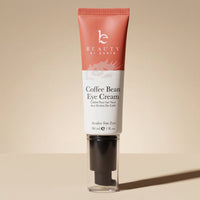
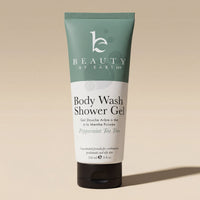
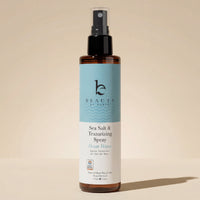
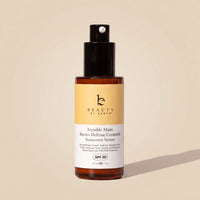
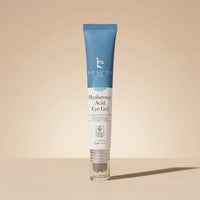
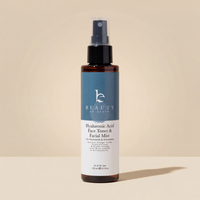
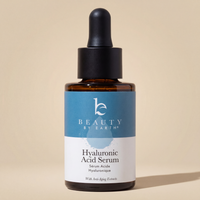
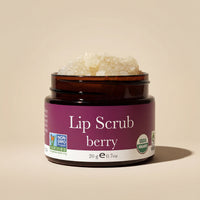
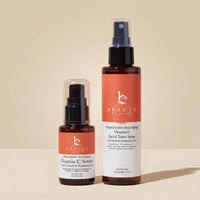
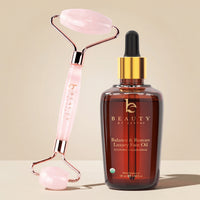
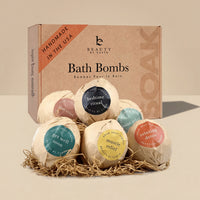


A few years ago, "clean" was the whole pitch. No parabens, no sulfates, no synthetic fragrance — that was enough to earn trust.
That's not true anymore. Shoppers have gotten more skeptical, and for good reason: plenty of "clean" products left off the harmful stuff but never proved they worked as well as anything else on the shelf. Being free of something isn't the same as being effective.

The Problem With "Free-From"
"Free-from" claims are easy to make and hard to verify. A product can be free of a dozen things and still not do what it promises. That gap is exactly why clean beauty has a trust problem right now: the label tells you what's missing, not what's actually happening on your skin.
That's a reasonable thing to be skeptical about. "Natural" and "clean" have been used so loosely that they've started to mean less, not more.

What Real Proof Looks Like
The fix isn't more free-from claims. It's specificity. A brand that names the exact ingredient doing the work, and explains what it actually does, is making a claim you can check. A brand that just says "natural" or "gentle" is asking you to trust the label instead.
A few quick checks next time you're comparing two "clean" products:
Named over vague. "Non-nano zinc oxide" tells you something specific and checkable. "Reef-safe" alone doesn't.
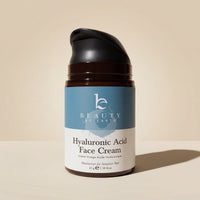
Function over feeling. "Hyaluronic acid draws water into the skin and helps it hold onto that moisture" describes what an ingredient does. "Deeply hydrating" is a feeling, not a mechanism.
Consistency over one hero ingredient. A single trendy ingredient buried in a long, vague list isn't the same as a formula built around a handful of ingredients that each have a clear job.
None of this means "natural" or "clean" claims are meaningless. It means the specific ones are the ones worth trusting — and it's worth being skeptical of any skincare claim, including popular ones, that doesn't hold up when you look closer.

The Bottom Line
Clean beauty isn't dead, and it isn't a scam. But in 2026, "clean" alone isn't a finish line — it's a starting point. The brands worth trusting are the ones willing to tell you exactly what's in the bottle and what it's doing there, not just what they left out.
A Few Examples, If You're Curious
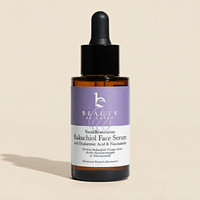
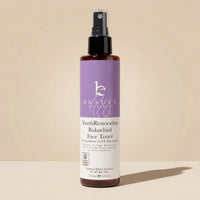
- YouthRestoration Bakuchiol Face Serum — bakuchiol, named and explained, not just "gentle retinol alternative"
- Hyaluronic Acid Serum — built around one key ingredient with one clear job: holding moisture
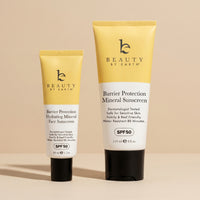
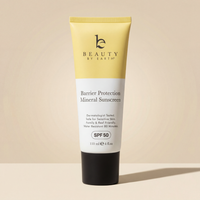
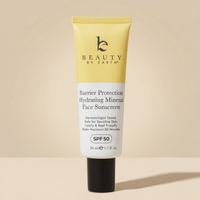
- Barrier Protection Hydrating Mineral Face Sunscreen (SPF 50) — non-nano zinc oxide, named as the only active


